
The Growing Pressures Facing Commercial Building Managers
Managing a commercial building comes with a considerable amount of responsibility, and those responsibilities have become increasingly complex in recent years.
Whether it's a school, hospital, office, warehouse or hospitality venue, the people responsible for maintaining these buildings are expected to balance operational requirements, maintenance budgets, regulatory obligations and the needs of those using the premises. All while ensuring that essential services continue to operate reliably.
Rising costs, ageing infrastructure and growing expectations around energy efficiency are adding further pressure, often leaving building managers with difficult decisions about where to prioritise limited resources.
At North Oxfordshire Heating, we work closely with school business managers, facilities managers, estates teams and business owners across Oxfordshire and the surrounding counties. Through our work maintaining, repairing and installing commercial heating and plumbing systems, we see first-hand the challenges involved in keeping buildings operational.
While heating and plumbing represent just one part of a building manager's responsibilities, they're essential to the day-to-day operation of almost every commercial property. Understanding the wider pressures facing our clients helps us provide practical advice and support that reflects the realities of managing their buildings.
The Changing Role Of Building Management

The responsibilities of a commercial building manager extend well beyond arranging repairs and organising routine maintenance.
Depending on the organisation, they may be responsible for everything from managing contractors and overseeing health and safety requirements to monitoring energy consumption, planning improvements and ensuring essential services remain operational.
In schools, these responsibilities often fall to business managers or estates teams who are also dealing with budgets, staffing, procurement and the everyday demands of a busy educational environment. Within healthcare, facilities teams must consider the needs of patients and staff, alongside the operational requirements of buildings that may be occupied around the clock.
The challenges are different in offices, warehouses and hospitality venues, but the underlying responsibility remains much the same. Buildings need to function safely and reliably, often with limited opportunities to take essential equipment out of service.
There's also an increasing expectation that building managers should understand the condition of their facilities and anticipate future expenditure. Decisions about maintenance, repairs and equipment replacement can have financial implications extending several years into the future.
For many organisations, this means relying on a network of specialist contractors who can provide accurate information, explain technical issues clearly and help them make informed decisions about their buildings.
Ageing Buildings and Increasing Expectations
Many of the commercial buildings in use today were constructed decades ago, often for organisations with very different requirements from those occupying them now.
Across Oxfordshire and the surrounding counties, it's common to find schools, healthcare facilities, offices and other commercial premises that have undergone numerous alterations and extensions over the years. While the buildings themselves have adapted, the infrastructure supporting them hasn't always kept pace.
Heating and plumbing systems are a good example. Equipment may have been installed when a building had fewer occupants, different operating hours or a considerably smaller footprint. As demands change, existing systems can find themselves working harder to provide the same level of service.
At the same time, expectations around comfort, reliability and energy efficiency have increased. Building managers are often tasked with improving performance while continuing to maintain equipment that may be approaching the end of its expected working life.
Replacing entire systems isn't always financially practical, particularly when other areas of a building also require investment. This leaves managers balancing the condition of existing infrastructure against the cost and disruption of making improvements.
Understanding what can reasonably be achieved with the equipment already in place, and where future investment may be necessary, is becoming an increasingly important part of managing older commercial buildings.
Balancing Maintenance Budgets With Operational Needs
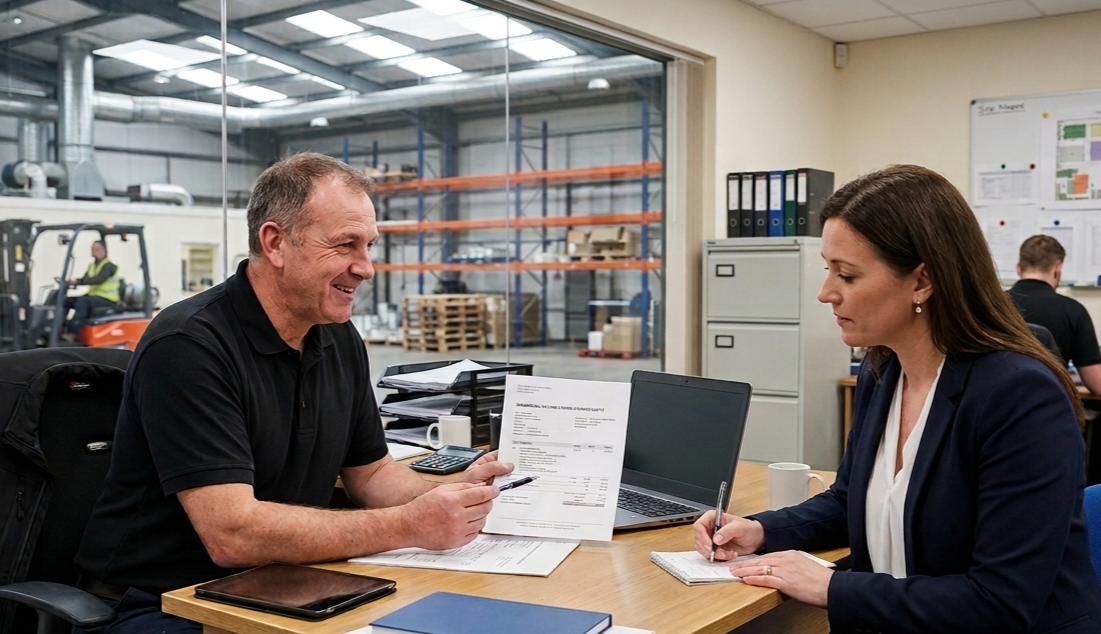
For many building managers, one of the greatest challenges is deciding how to allocate the resources available to them.
Maintenance budgets have to cover a wide range of requirements, from essential repairs and statutory inspections to planned improvements and the replacement of ageing equipment. With operating costs placing pressure on organisations across both the public and private sectors, there isn't always sufficient funding to address everything at once.
This can make prioritising work particularly difficult. A heating system might still be operating satisfactorily despite its age, while another part of the building requires urgent attention. Equally, equipment that appears to be functioning normally may have underlying issues that could lead to more significant expenditure if left unresolved.
The challenge is assessing which work requires immediate attention, what can reasonably be planned for a later date and where preventative investment could reduce the likelihood of future disruption.
For schools, NHS organisations and local authorities, these decisions may also involve formal approval processes, procurement requirements and funding cycles. Even when the need for work is recognised, securing the necessary budget and arranging a suitable time for it to be completed can take considerable planning.
Accurate information about the condition of building services is particularly valuable in these circumstances. Knowing the likely implications of delaying a repair, the expected lifespan of existing equipment and the options available for future improvements helps managers plan expenditure with greater confidence.
Keeping Buildings Operational While Essential Work Takes Place
Arranging maintenance or repairs in an occupied commercial building can be a considerable logistical challenge, particularly when essential services need to remain available throughout the working day.
Schools have relatively narrow windows in which disruptive work can be undertaken, often relying on holidays to complete larger projects. Care homes and healthcare facilities may operate around the clock, with heating and hot water provision particularly important to the wellbeing of residents and patients. Hotels, restaurants and other hospitality businesses also have to consider the impact of interruptions on their guests and day-to-day operations.
Even in offices and warehouses, where there may be greater flexibility, taking heating or plumbing systems out of service can affect working conditions, productivity and the activities taking place within the building.
For those responsible for managing these premises, arranging the work itself is only one consideration. They may also need to coordinate access, communicate with building users, manage contractors and ensure appropriate arrangements are in place while essential services are unavailable.
Unexpected breakdowns introduce further complications, particularly when specialist components are required or repairs cannot be completed immediately.
These practical considerations can influence when work takes place and how a project is approached. An experienced contractor should recognise the operational demands of the building and work with those responsible for it to minimise disruption wherever reasonably possible.
Meeting Changing Expectations Around Energy Efficiency
Energy efficiency has become an increasingly important consideration for organisations managing commercial buildings, particularly as they look for ways to control operating costs and reduce energy consumption.
For building managers, however, improving efficiency isn't always as straightforward as installing newer equipment. The age and condition of a building, its existing infrastructure, how it's occupied and the funding available can all influence what improvements are practical.
In older properties, heating systems may have been modified several times over their working lives. Controls, pumps and boilers installed at different stages can sometimes make it difficult to achieve consistent performance across the building. Understanding how these components operate together is an important part of identifying opportunities for improvement.
There are also wider organisational expectations to consider. Some businesses have established environmental targets, while public sector organisations may be working towards longer-term plans to reduce emissions across their estates. Building managers can find themselves responsible for helping deliver these objectives alongside their existing maintenance commitments.
For many, the immediate priority is understanding how efficiently their current systems are operating and what improvements might be achievable within the available budget. This could involve reviewing heating controls, addressing known performance issues or considering upgrades as existing equipment reaches the end of its useful life.
Having reliable information about the condition and performance of building services allows managers to make decisions that support both their immediate operational needs and their organisation's longer-term plans.
The Value Of Reliable Specialist Support
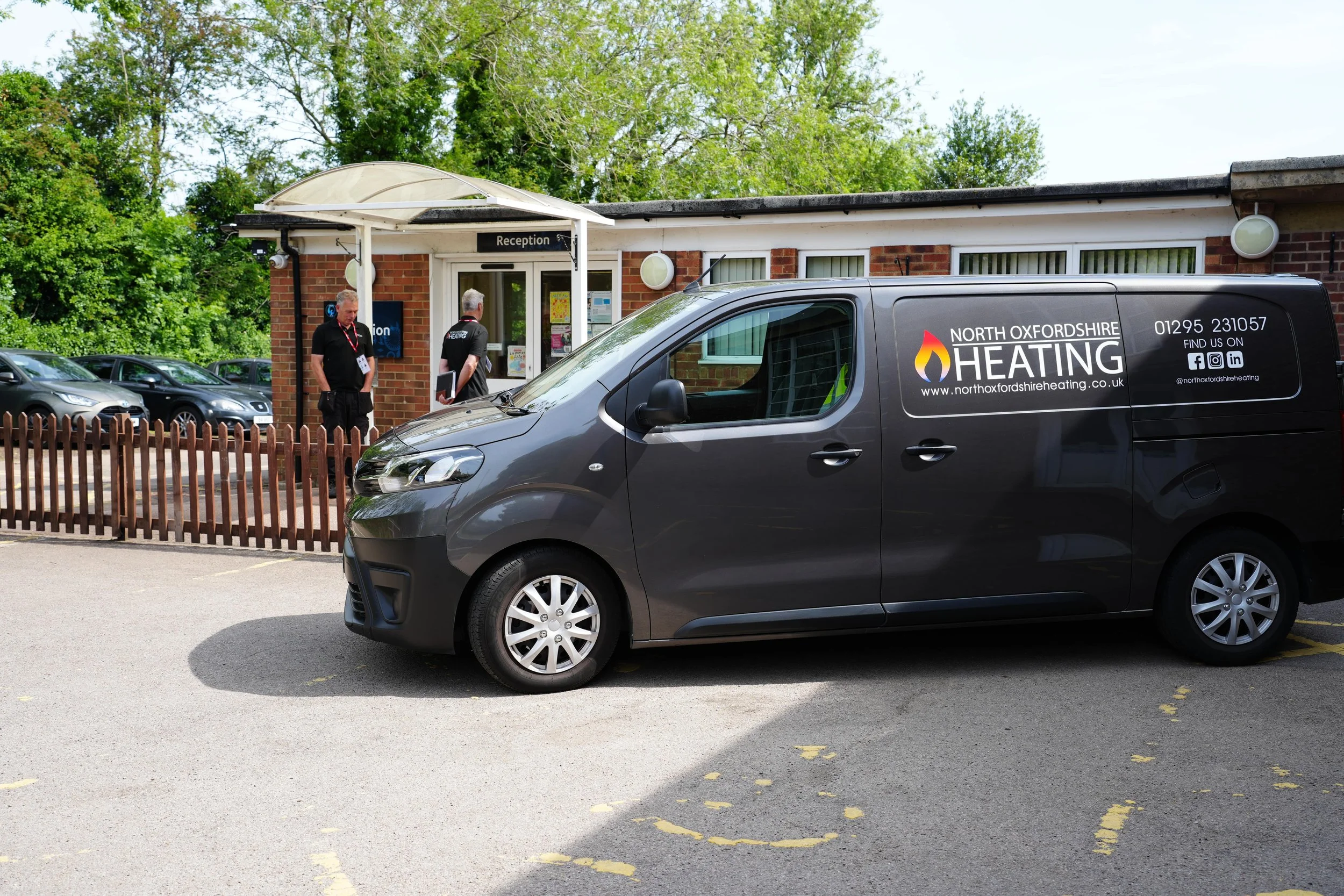
With so many responsibilities competing for their attention, building managers need to be confident in the contractors responsible for maintaining essential services.
Commercial heating and plumbing systems can be complex, particularly in older buildings where equipment has been installed, modified or upgraded over many years. Having access to engineers who understand these systems, recognise potential problems and communicate their findings clearly can make a considerable difference.
Continuity is valuable too. When a contractor becomes familiar with a building, its equipment and its maintenance history, that knowledge can help inform future decisions. It also reduces the time building managers need to spend explaining recurring issues or providing background information whenever work is required.
At North Oxfordshire Heating, we recognise that our clients are often managing far more than the heating and plumbing systems we're responsible for. They need accurate advice, clear communication and confidence that agreed work will be carried out professionally, with consideration for the people using the building.
For school business managers, estates teams and facilities managers, having dependable specialists they can turn to helps make the wider responsibility of managing a commercial building that little bit easier.
Supporting Those Responsible For Our Commercial Buildings
The pressures facing commercial building managers are unlikely to disappear. Ageing infrastructure, financial constraints, changing expectations and the need to keep premises operational will continue to influence how organisations maintain and invest in their properties.
For those responsible for managing these buildings, access to experienced specialists who understand both the technical and practical challenges can make an important difference.
North Oxfordshire Heating works with schools, Multi-Academy Trusts, NHS organisations, local authorities and businesses across Oxfordshire and the surrounding counties, providing commercial heating and plumbing services tailored to the requirements of each building.
Whether you need support with ongoing maintenance, advice on an ageing heating system or assistance planning future improvements, our team would be pleased to help.
Call 01295 231057 or email contact@northoxfordshireheating.co.uk to discuss your requirements.
