
Why Reliable Heating and Plumbing Matters for Sports Clubs
Sports clubs are some of the most important community buildings in the country. On the surface, they are places for football, rugby, cricket or other local sport, but in reality they often function as much more than that. Clubhouses regularly host meetings, birthday parties, fundraising events, community groups, presentations and private functions throughout the year. In many towns and villages, they are one of the few remaining shared social spaces still used consistently by people of all ages.
That level of usage places significant pressure on heating and plumbing systems, particularly in older buildings that were never designed for the demands now placed on them.
Matchday demand creates unique pressure on systems.
Commercial heating and plumbing systems in sports clubs operate very differently to those in a standard office or retail environment.
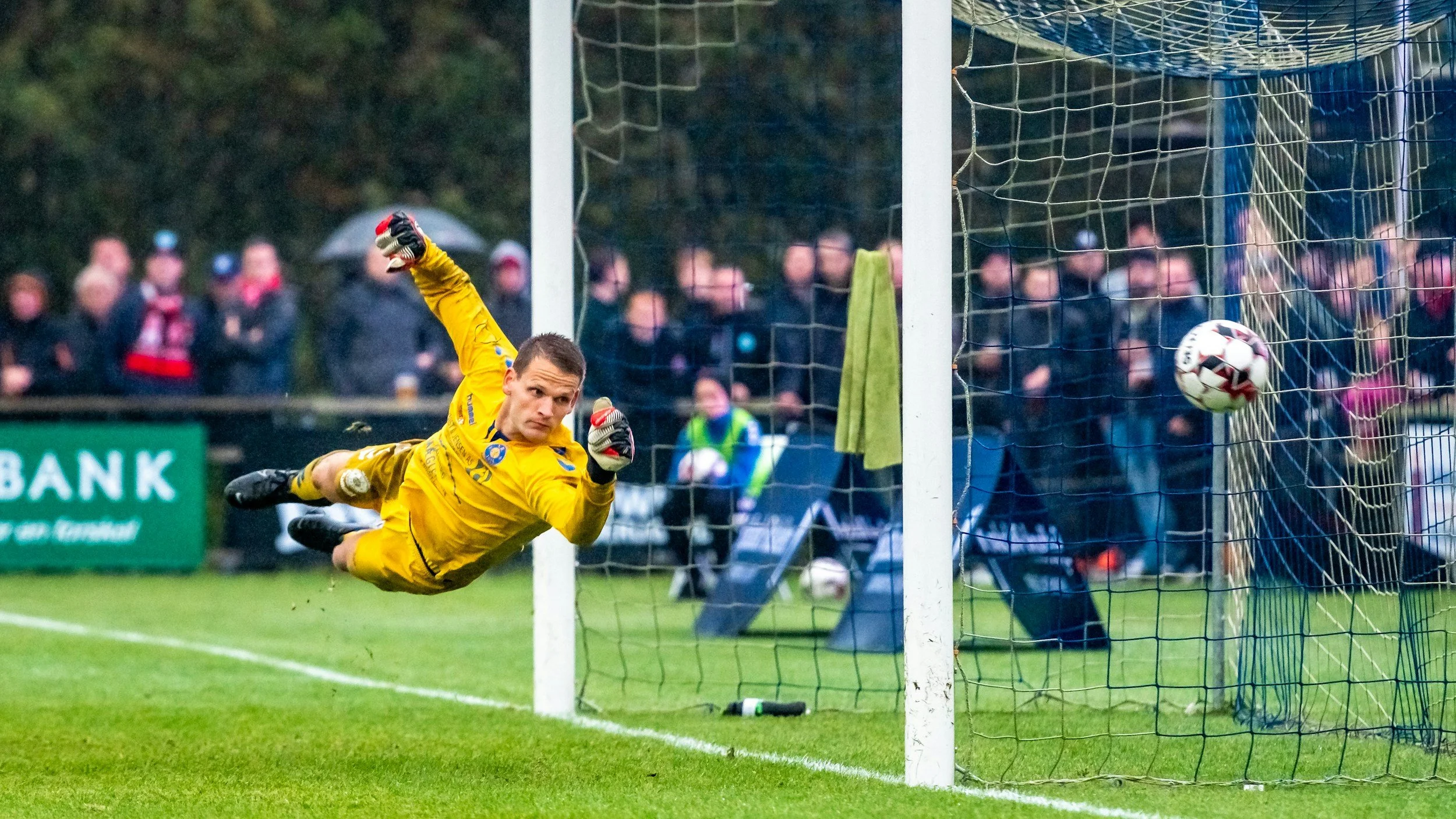
Usage is often concentrated into intense periods. A clubhouse may sit relatively quiet for several days, then suddenly experience heavy demand across changing rooms, showers, kitchens, toilets and bar areas all within a few hours. On busy weekends, multiple teams, officials, spectators and event guests may all be using the same facilities at the same time.
This creates sharp spikes in hot water demand and heating load that many older systems struggle to handle efficiently.
One of the most common complaints in sports facilities is inconsistent hot water. Showers running cold after only a few players, recovery times that are too slow between matches, or pressure dropping significantly when several outlets are in use simultaneously are all signs that a system is operating beyond what it was originally designed to do.
In many cases, the issue is not that the boiler itself is failing. The problem is that the wider system, including cylinders, pipework, pumps and controls, no longer matches how the building is actually being used.
Older clubhouses often carry years of incremental changes.
Most sports clubs have evolved gradually over time rather than being completely redeveloped in one go. Extensions are added when funding becomes available. New changing rooms are built years after the original clubhouse. Kitchens are upgraded. Bar areas expand. Additional shower facilities are fitted.
The result is that many clubs end up with heating and plumbing systems that have effectively grown in stages over several decades.
From an engineering perspective, this can create all sorts of inefficiencies. Pipework may have been extended multiple times without rebalancing the system properly. Pumps that were suitable twenty years ago may now be undersized for the building. Controls are often pieced together over time, leading to inconsistent heating behaviour and poor efficiency.
It is also common to see systems where newer equipment has been added onto ageing infrastructure without addressing underlying limitations elsewhere in the building.
Many sports clubs, particularly those in rural areas, still rely on oil-fired heating systems. This is especially common in older clubhouses and facilities that are not connected to the mains gas network.
Oil systems require a different level of knowledge and maintenance to modern gas-fired commercial plant. Combustion setup, fuel storage, burner condition and seasonal servicing all need to be handled properly to ensure safe, reliable operation. Unfortunately, many clubs only discover the importance of specialist experience once problems begin to appear.
An oil boiler that is poorly serviced or incorrectly adjusted can quickly become inefficient, unreliable and expensive to run. Soot build-up, poor combustion and fuel contamination issues are all common problems where systems are maintained without the right expertise.
For clubs operating older oil-fired systems, working with engineers who genuinely understand commercial oil heating is critical. These are not systems that should be approached with a one-size-fits-all mindset or treated as an afterthought.
Reliability is critical during the season.
For seasonal sports such as football and rugby, reliability during the playing season is essential. A heating or plumbing failure on a cold Saturday morning affects far more than comfort.
Changing rooms without heating quickly become unusable during winter months. Lack of hot water creates safeguarding and hygiene concerns, particularly in junior sport. Kitchens and bars may be unable to operate properly during fixtures and events. If clubhouse facilities are hired out commercially, cancelled bookings can mean direct financial loss for clubs that are already operating on tight budgets.
What makes these situations particularly difficult is timing. Problems rarely appear during quieter periods. Systems usually fail when demand is highest, precisely when the building is under the greatest pressure.
That is why reactive maintenance becomes so expensive for sports clubs. Emergency call-outs during the middle of a season often involve temporary fixes designed to restore service quickly rather than properly addressing the root cause.
The off-season is often the best opportunity to act.
One advantage many sports clubs do have is a natural maintenance window.
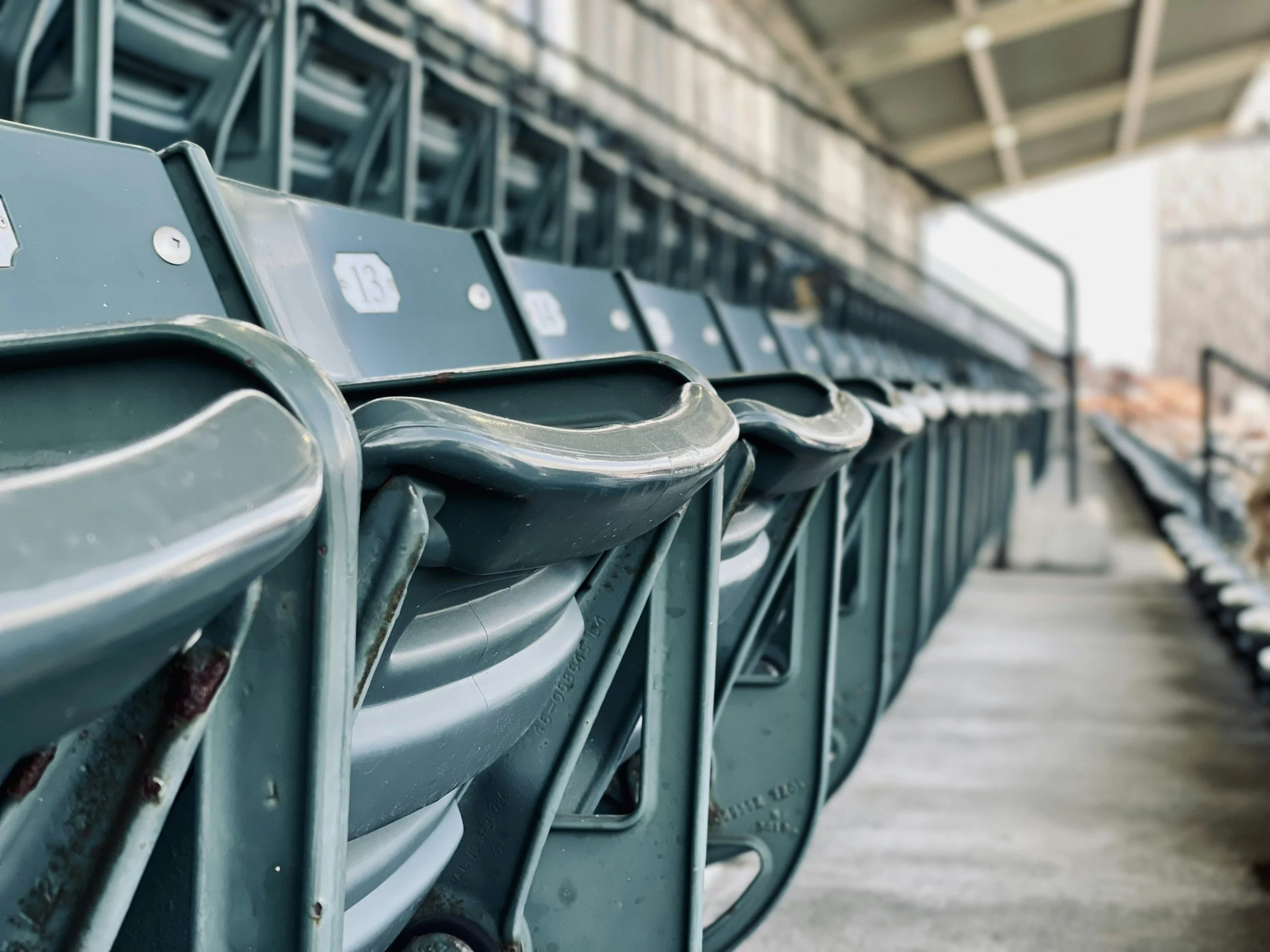
For football and rugby clubs especially, late spring and summer often provide a quieter operational period where servicing, inspections and upgrade work can be carried out with far less disruption. This is the ideal time to assess boilers, hot water systems, controls and circulation before heavy winter demand returns.
Unfortunately, maintenance is often postponed because the system appears to be functioning adequately at the time. The issue is that underlying weaknesses rarely disappear. They simply remain hidden until colder weather and higher occupancy expose them again.
A planned approach allows clubs to deal with issues proactively, schedule work around fixtures and events, and avoid the disruption that comes with mid-season failures.
Energy costs are becoming a bigger issue for clubs.
Running costs are becoming an increasing concern across grassroots and community sport. Many clubhouses operate on tight margins, and inefficient heating systems can place unnecessary strain on already stretched finances.
Older boilers operating with poor circulation, outdated controls or badly balanced systems often work much harder than necessary. In many buildings, heating schedules no longer reflect actual occupancy patterns, resulting in wasted energy and avoidable costs.
Small changes can often make a noticeable difference. Improving controls, addressing circulation issues, reviewing zoning or identifying inefficiencies within hot water systems can help clubs reduce operational costs without major disruption or large-scale replacement projects.
There has arguably never been a more important time for businesses, community organisations and sports clubs to have access to trusted, experienced advice around heating and power systems.
Rising energy costs, ageing infrastructure, changing regulations and increasing operational pressure mean many organisations are being forced to make decisions about systems they may not fully understand. In that environment, honest guidance matters.
For sports clubs especially, the priority is rarely chasing the latest trend or unnecessary complexity. It is about understanding what is right for the building, the usage patterns and the long-term sustainability of the facility itself.
That is where experienced contractors add real value. Not simply by carrying out repairs or installations, but by helping clubs make sensible, informed decisions about systems that are absolutely critical to the day-to-day operation of the building.
Heating and plumbing directly affect the experience of the club.
Reliable facilities influence how people experience a sports club. Warm changing rooms, consistent hot water and comfortable social spaces all contribute to whether players, parents, visitors and community groups feel positive about the environment.
For clubs trying to grow participation, increase venue bookings or improve their facilities, heating and plumbing performance is not just a maintenance issue. It becomes part of the overall perception of the club itself.
Supporting community facilities properly.
At North Oxfordshire Heating, we understand the operational challenges sports clubs face because their buildings are unlike most other commercial environments. Usage patterns are unpredictable, budgets are often tight, and systems are frequently operating within buildings that have evolved over decades.
We work with sports clubs and community facilities across Banbury, Oxfordshire and the surrounding areas to help keep heating and plumbing systems reliable, efficient and fit for purpose throughout the year.
Whether it is off-season servicing, improving hot water performance, resolving long-standing heating issues or reviewing ageing infrastructure, our approach is always practical, honest and focused on long-term reliability.
To discuss your sports club or community facility, call 01295 231057 or email contact@northoxfordshireheating.co.uk.
