
Why Smart Businesses Review Their Heating Systems in Summer

Understandably, businesses tend not to spend much time thinking about their heating systems in June.
The weather is warmer, boilers are working far less than they were a few months ago, and attention naturally turns to other priorities. For many organisations, heating simply becomes something that disappears into the background until autumn arrives.
The irony is that summer is often the best time to assess whether a heating system is actually doing its job properly.
Not because engineers have nothing else to do, and not because every building suddenly needs a new boiler. The real value lies in having the time and breathing space to understand how the system is performing before it is asked to carry the building through another winter.
Most Heating Systems Don’t Fail Overnight
One of the biggest misconceptions in commercial heating is that breakdowns come out of nowhere.
In reality, systems often spend months giving clues that something is changing. Energy consumption starts creeping upwards. Certain areas take longer to warm up. Occupants complain about temperatures being inconsistent. Small faults begin appearing more frequently. None of these issues are necessarily serious on their own, which is precisely why they are often ignored.
The challenge is that commercial heating systems rarely get better with age. Minor issues tend to become bigger issues, components gradually wear, controls drift out of step with how the building is used, pumps become less efficient and water quality deteriorates.
By the time a system finally fails, the warning signs have often been present for quite some time.
The Building Has Usually Changed More Than The Heating System
One question worth asking is whether the building your heating system serves today is the same building it was originally designed to serve.
In our experience, the answer is often no. We regularly encounter buildings that have evolved significantly over the years. Additional classrooms have been added to schools. Care facilities have expanded. Sports clubs have extended their clubhouses and changing facilities. Hotels, pubs and restaurants have reconfigured spaces to accommodate different types of customers and events.
None of these changes happen overnight;they happen gradually, often over many years, which means the heating system simply gets expected to do more and more.
The boiler may still be operating perfectly well, but the issue is that the demands placed on the wider system are no longer what they once were.
The Boiler Isn’t Always The Problem
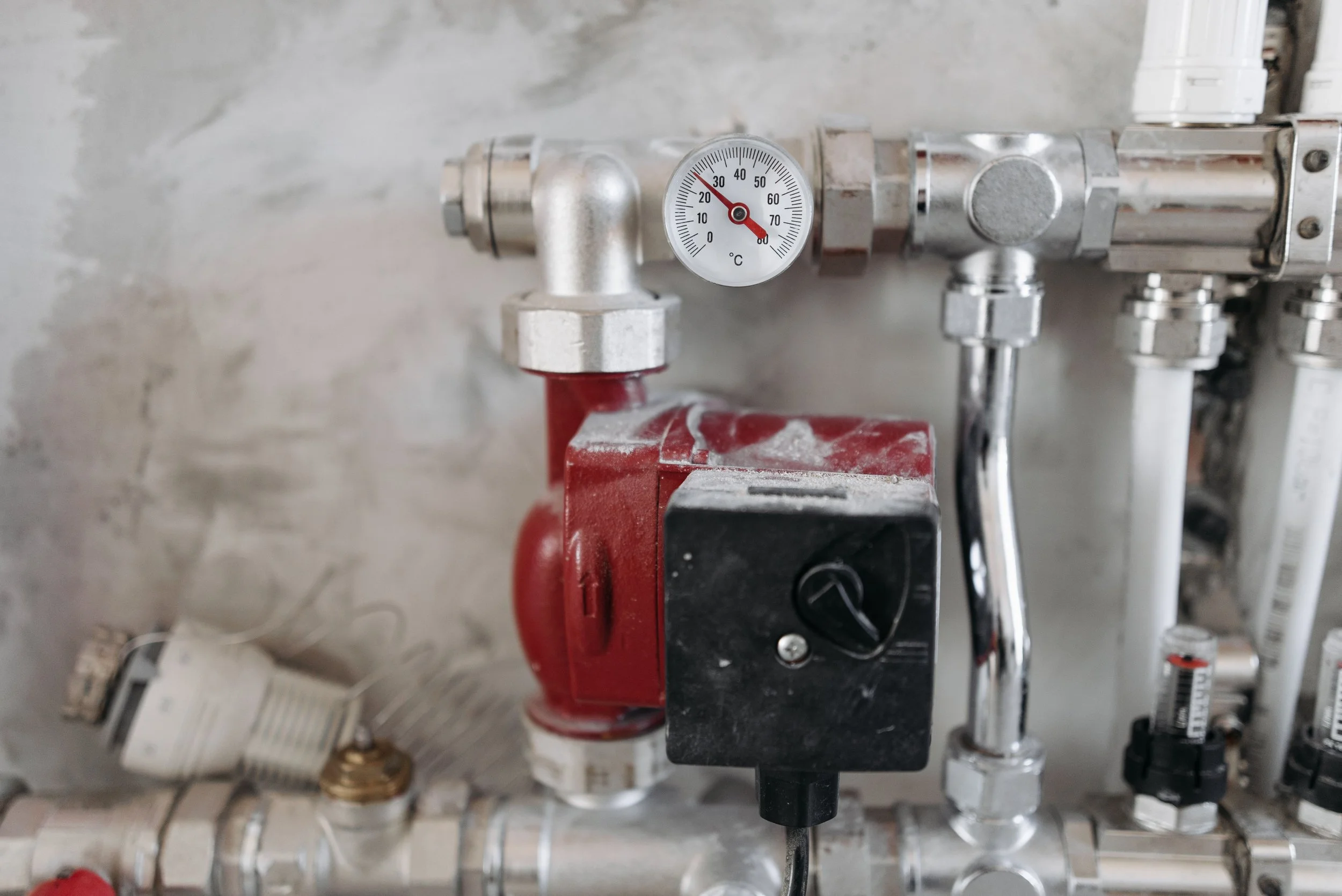
When temperatures become inconsistent or energy bills start rising, the conversation often goes straight to boiler replacement. Sometimes that’s right, but quite often, it’s not.
A commercial heating system is made up of far more than a boiler. Circulation pumps, controls, valves, pipework, hot water generation and system balancing all play a significant role in overall performance.
We’ve seen buildings where a relatively modest controls upgrade has delivered a bigger improvement than replacing major plant. We’ve seen systems where years of gradual changes have left heating zones working against one another. We’ve also seen older boilers continue to perform reliably because the wider system has been maintained and managed properly.
This is one reason why summer reviews are so valuable, as they provide an opportunity to understand the cause of a problem before jumping to a solution.
Reliability Is About More Than Comfort
For schools, care homes, hospitality venues and community facilities, heating reliability is not simply about maintaining a comfortable temperature.
A care home without reliable heating or hot water faces challenges that go well beyond occupant comfort. Schools depend on warm, consistent environments that support learning. Hospitality businesses invest heavily in creating positive customer experiences, and those experiences are quickly undermined if facilities are not performing as expected.
The same applies to sports clubs and community buildings. Many are used almost every day of the week, not just for sport but for meetings, events and social activities. Heating and plumbing systems play a bigger role in the day-to-day operation of these facilities than many people realise.
When viewed through that lens, heating systems stop being a maintenance issue and become an operational one.
Summer Creates Better Conditions For Decision-Making
One thing we often see is organisations being forced into decisions they would never have made if they had more time.
When a boiler fails in January, parts can be difficult to source, occupants are more uncomfortable and the pressure is on to restore service as quickly as possible. At that point, there’s rarely time to step back and assess the wider picture.
Summer changes that. Systems can be reviewed without the urgency of an active breakdown. Potential issues can be identified and prioritised. Budgets can be planned properly. If work is required, it can usually be scheduled around operational needs rather than emergency circumstances.
That tends to lead to better outcomes, both technically and financially.
There Has Never Been A Greater Need For Accurate Advice
Twenty years ago, the conversation was often relatively straightforward. If a boiler was becoming unreliable, you replaced it.
Today, organisations are being presented with a far wider range of options. Boiler replacements, heat pumps, hybrid systems, zoning improvements, controls upgrades and energy reduction projects all enter the discussion at different points.
At the same time, businesses are dealing with rising energy costs, ageing infrastructure and increasing pressure to make sensible long-term decisions.
For many business owners, school leaders, care providers and facilities managers, these are not decisions they make every day, nor should they be expected to.
This is where good advice matters. Sometimes the right answer is a replacement. Sometimes it’s improved controls or a phased programme of improvements over several years. Occasionally, the best recommendation is to leave a system alone and review it again in twelve months.
Ultimately, we’re there to help provide clarity, not create more work.
Winter Reliability Starts In Summer
The organisations that experience the fewest heating issues during winter are rarely the lucky ones.
More often, they’re the organisations that used the quieter summer months to understand their systems properly. They addressed weaknesses before they became failures, they reviewed how their buildings were being used and they made informed decisions rather than reactive ones.
By the time temperatures begin to fall, they know where they stand.
And that is ultimately what a summer review provides. Not necessarily a list of upgrades or a recommendation to spend money, but a clearer understanding of whether your heating system is ready for whatever the next winter has in store.
At North Oxfordshire Heating, we work with schools, care homes, hospitality venues, sports clubs and commercial organisations across Oxfordshire, Northamptonshire, Warwickshire and the Thames Valley. Our focus is simple: helping clients understand their systems, make informed decisions and avoid unnecessary surprises when the colder weather returns.
To discuss your commercial heating system, call 01295 231057 or email contact@northoxfordshireheating.co.uk.
